What Is a Siddha? The Perfected Ones of Yoga
The lineage of Kriya Yoga is a lineage of siddhas — perfected ones. But what does that word truly mean, and what marks a being as a siddha?
The meaning of the word
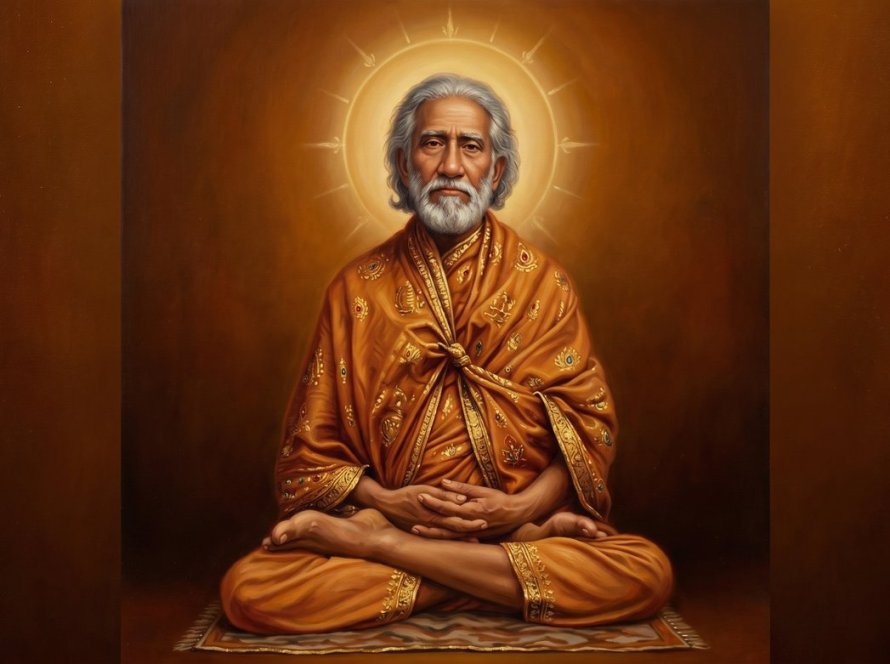
The Sanskrit siddha means “one who is accomplished” or “perfected.” It comes from the same root as siddhi, meaning attainment or fulfilment. A siddha, then, is not merely a learned scholar or a skilled practitioner, but one who has reached the goal — who has realised the Self and become established in the deathless consciousness that the scriptures call liberation. The siddhas are the living proof that the spiritual path leads somewhere real.
Siddhis: powers, and a warning
Along the way, deep yogic practice can unfold extraordinary capacities — the siddhis, or subtle powers, that Patanjali catalogues in the third chapter of the Yoga Sutras. Yet the tradition is unanimous and emphatic on one point: these powers are not the goal. They are by-products, and they can become golden chains that bind the seeker to spiritual vanity. A true siddha is defined not by displays of power but by the conquest of the ego and union with the Divine. The greatest among them tend to hide their attainments rather than parade them.
The deathless ones
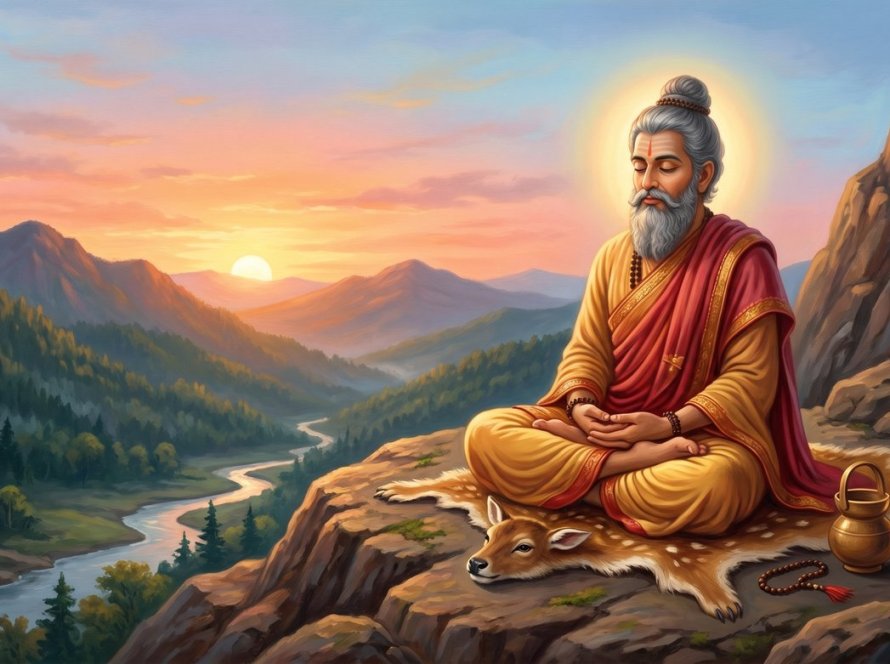
Among the siddhas, tradition speaks of a rare order of fully perfected masters who have gained mastery even over the body, and who are said to live for centuries in radiant, ageless form — appearing to sincere seekers when needed, then withdrawing again into the silence of the Himalaya. It is in exactly this way that the tradition describes Mahavatar Babaji, and the great masters of the Nath lineage before him. Whether one takes such accounts literally or as profound symbol, their meaning is the same: the Self is deathless, and the one who fully knows the Self transcends the fear of death.
Why the siddhas matter to the seeker
The existence of realised masters is the quiet engine of the whole tradition. They are the ones who have walked the path to its end and who can therefore guide others along it — not by theory but by the living transmission of their own state, sometimes through shaktipat. The unbroken succession of such masters, from age to age, is what we trace on the Kriya Lineage timeline. To study their lives is to keep good company — satsang — and good company, the sages say, is itself a doorway to freedom.
The promise hidden in the word
There is a quiet encouragement folded into the very idea of a siddha. If perfection has been attained by others — ordinary human beings who set out as seekers — then it is attainable in principle by anyone willing to walk the path with sincerity and perseverance. The siddhas are not a separate species; they are what a human being becomes when the journey is carried to its end.